
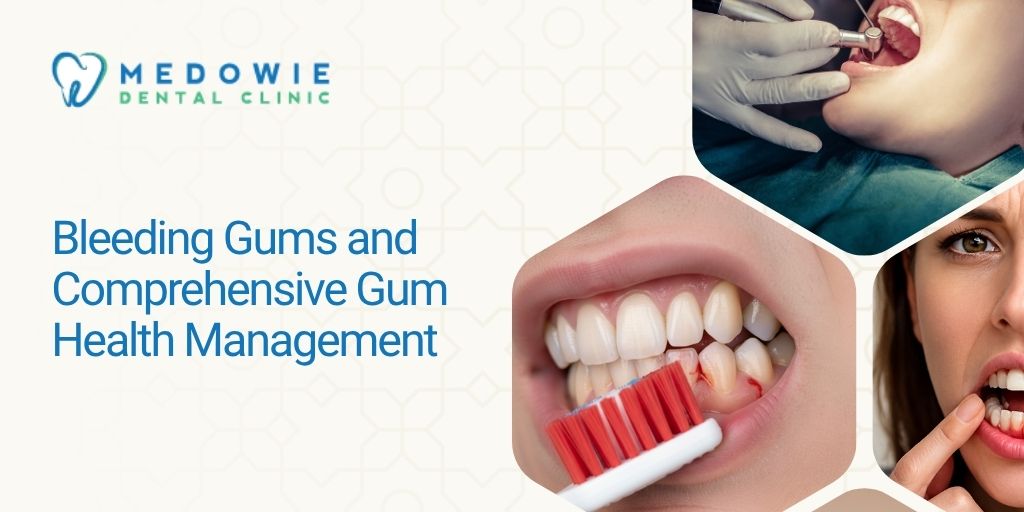
The sight of blood on your toothbrush or in the sink after flossing is one of the most common warning signs in oral health, yet it is often the most frequently ignored. Many patients in Medowie dismiss this symptom, attributing it to aggressive brushing or forgetting to floss for a few days. However, as your dedicated local Medowie Dentist, we want to stress that bleeding gums are almost always a tell-tale sign of inflammation or infection that requires immediate attention and professional care.
This extensive guide dives deep into the causes, the critical difference between the stages of gum disease, the proven diagnostic methods, and the advanced gum treatment solutions available right here in Medowie to help you achieve lasting periodontal health.
I. The Root Cause: Plaque, Inflammation, and the Two Stages of Gum Disease
The primary, overwhelming cause of bleeding gums is the accumulation of dental plaque—a sticky, bacteria-laden film that constantly forms on your teeth. When plaque is not thoroughly removed through daily oral hygiene, the bacteria release toxins that irritate the gingiva (gum tissue), triggering an inflammatory response.
1. Stage One: Gingivitis – The Reversible Warning
Gingivitis is the earliest, mildest, and most common form of gum disease. At this stage, the disease is confined to the gum tissue and has not yet affected the underlying bone.
Key Symptoms of Gingivitis:
- Bleeding Gums: The most noticeable sign, often occurring during brushing or flossing.
- Red or Swollen Gums: Healthy gums are firm and pink; gingivitis causes them to become puffy and a darker red or purple colour.
- Tenderness: The gums may feel sore or tender to the touch.
The Crucial Takeaway: Gingivitis is 100% reversible. A professional dental cleaning (Scale and Polish) to remove the hardened plaque (tartar/calculus) and a renewed commitment to effective home care will typically restore the gums to a firm, healthy state within days or weeks.
2. Stage Two: Periodontitis – The Irreversible Threat
If gingivitis is left untreated, it inevitably progresses to Periodontitis (sometimes called periodontal disease). This is a destructive stage where the prolonged inflammation and bacterial presence begin to destroy the connective tissues and the alveolar bone that anchor your teeth.
Signs of Advanced Gum Disease (Periodontitis):
- Receding Gums: The gum tissue pulls away from the tooth, making the tooth look longer.
- Deep Pockets: The formation of periodontal pockets—gaps between the tooth and gum that deepen and fill with bacteria and pus, making them impossible to clean at home. Pocket depths of 4mm and above are a clear indicator of disease progression.
- Persistent Bad Breath (Halitosis): Caused by the continuous presence of odour-causing bacteria in the deep pockets.
- Loose or Shifting Teeth: As the supporting bone is destroyed, teeth may feel wobbly, or you may notice new gaps forming between them.
- Tooth Loss: Untreated, advanced periodontitis is the leading cause of adult tooth loss worldwide.
The Crucial Takeaway: Periodontitis is not curable, but it is manageable. The lost bone and tissue cannot naturally regenerate, but prompt and comprehensive gum treatment can halt its progression, save your remaining teeth, and prevent further damage.
II. Beyond Poor Hygiene: Other Contributing Factors
While plaque is the primary driver, other local and systemic factors can significantly increase your risk of developing, or the severity of, gum disease:
A. Non-Plaque Dental Factors:
- Improper Brushing Technique: Aggressive, horizontal scrubbing with a medium or hard-bristled brush can cause recession and trauma, leading to bleeding and an ideal environment for bacteria.
- Tobacco Use: Smoking and vaping severely compromise gum tissue health. Nicotine restricts blood flow, effectively masking the early bleeding signs of gingivitis and weakening the gums’ ability to fight infection and heal.
- Ill-Fitting Appliances: Poorly fitting crowns, bridges, or dentures can trap plaque and cause chronic irritation and pressure on the gums.
B. Systemic Health and Lifestyle Links:
- Diabetes: There is a bi-directional relationship between gum disease and diabetes. Diabetics are more susceptible to infection (including gum disease), and periodontitis can make blood sugar control more difficult.
- Hormonal Fluctuations: Puberty, menstruation, and especially pregnancy gingivitis can increase gum sensitivity and inflammation due to heightened hormonal levels.
- Medications: Certain medications, notably blood thinners (anticoagulants), and some anti-seizure or blood pressure medications, can cause easier bleeding or gingival overgrowth.
- Nutritional Deficiencies: While rare today, severe deficiencies of Vitamin C (Scurvy) and Vitamin K can lead to bleeding gums.
- Stress: High stress levels weaken the body’s immune system, making it less effective at fighting off the bacterial infections in the mouth.
- Underlying Systemic Conditions: In rare cases, chronic, unexplained bleeding can be a symptom of a serious systemic condition like leukaemia or a blood-clotting disorder.
III. The Medowie Dentist Diagnostic Process: Precision Gum Care
Diagnosing the level of your gum health goes beyond a simple visual check. At our Medowie practice, we use a structured, evidence-based approach to accurately map the extent of the disease:
1. Periodontal Charting (Pocket Depth Measurement)
This is the gold standard for gum disease diagnosis. Using a tiny, gentle ruler called a periodontal probe, the dentist or hygienist measures the depth of the sulcus (the space between the gum and the tooth).
- 1-3 mm: Healthy gums.
- 4 mm+: Indicates a periodontal pocket and the presence of periodontitis. These depths signal where bone loss and tissue detachment have begun.
2. Clinical Examination for Key Indicators
The dentist assesses for visible signs such as:
- Gingival colour and texture (red, puffy, or firm and pink).
- Presence of plaque and hardened tartar.
- Bleeding on Probing (BOP) – a key indicator of active inflammation.
- Gum recession and tooth mobility.
3. Dental X-rays
X-rays (radiographs) are essential to assess the bone level. They show how much alveolar bone has been lost due to the infection. Bone loss is the definitive measure of periodontitis severity.
IV. Comprehensive Gum Treatment: Your Path to Healthy Gums in Medowie
The treatment for bleeding gums and gum disease is always tailored to the stage of the condition.
A. Non-Surgical Treatment (For Gingivitis and Mild-to-Moderate Periodontitis)
1. Scale and Clean (Prophylaxis)
The standard procedure for managing healthy gums and treating gingivitis. This involves professionally removing soft plaque and hard tartar deposits from the tooth surfaces above the gumline.
2. Scaling and Root Planing (Deep Cleaning)
The crucial non-surgical treatment for Periodontitis. Performed under local anaesthetic to ensure comfort, this intensive procedure involves:
- Scaling: Thoroughly removing plaque, tartar, and bacteria from the root surfaces below the gumline, inside the periodontal pockets.
- Root Planing: Smoothing the tooth roots to remove surface irregularities where bacteria thrive. This smooth surface encourages the gum tissue to re-attach to the root, effectively shrinking the periodontal pocket.
3. Adjunctive Therapy
In some cases, the deep cleaning may be supplemented with:
- Local Antibiotics: Applying antibiotic gels or chips directly into deep periodontal pockets to kill residual bacteria.
- Antiseptic Rinses: Short-term use of medicated mouthwashes, such as those containing chlorhexidine, to help control bacterial load during the healing phase.
B. Surgical Periodontal Treatment (For Advanced Periodontitis)
For advanced cases with deep pockets (6mm or more) or significant bone loss, our Medowie dentist may recommend a referral to a Periodontist for surgical procedures:
- Flap Surgery (Pocket Reduction Surgery): The gum tissue is lifted back to allow the specialist to access and thoroughly clean the deep, hard-to-reach root surfaces and to reshape any damaged bone. The tissue is then sutured back, reducing the pocket depth.
- Soft Tissue Grafts: Used to treat receding gums. A small piece of tissue (often taken from the roof of the mouth) is grafted onto the affected area to cover exposed root surfaces, improve aesthetics, and protect the tooth.
- Bone Grafting/Guided Tissue Regeneration: Procedures used to encourage the regrowth of bone and tissue destroyed by periodontitis, which can help save teeth that would otherwise be lost.
V. The Lifelong Maintenance: Preventing Bleeding Gums from Recurring
Gum disease is a chronic condition that requires constant management. Once you have received professional gum treatment, the responsibility shifts to meticulous daily care to maintain the results.
1. Master the Brushing Technique
- Use a Soft-Bristled Toothbrush: Choose a soft brush (manual or electric) to clean effectively without damaging the gums.
- The Bass Technique: Angle the bristles at a 45-degree angle towards the gumline. Use small, gentle circular or vibratory motions, focusing on sweeping plaque away from the gum margin.
- Brush for Two Minutes: Ensure you cover all surfaces twice daily.
2. Interdental Cleaning is Non-Negotiable
Brushing alone misses up to 40% of the tooth surface—the critical areas between the teeth and under the gumline where gum disease starts.
- Daily Flossing: Use a clean section of floss for each tooth, wrapping it into a “C” shape against the tooth and gently sliding it beneath the gumline.
- Interdental Brushes/Water Flosser: For larger gaps or as an adjunct to flossing, interdental brushes or a water flosser are highly effective at clearing debris and stimulating the gums.
3. Commit to Your Recall Schedule
Your regular Medowie dental check-up schedule is critical. For patients with a history of periodontitis, professional maintenance cleanings may be required every 3 to 4 months to prevent the re-colonisation of bacteria in the healed pockets.
Conclusion: Stop Ignoring the Signs – Book Your Gum Health Check
If you are a resident of Medowie or the surrounding Port Stephens area and are experiencing bleeding gums, please understand that this is not normal. It is a biological alarm bell ringing. Ignoring it will only lead to more extensive, costly, and invasive gum treatment down the line, and potentially the irreversible loss of your natural teeth.
The good news is that with early detection and the comprehensive care available at our practice, we can stop the bleeding, halt the infection, and set you on a path to a stable, healthy smile.
Don’t wait until the disease has progressed. Protect your smile, protect your health.
Call your trusted Medowie Dentist today to schedule your comprehensive gum health evaluation. Take the first step towards a firm, pink, and confident smile.